Vogelradar

English · Nederlands · Deutsch

Short-eared owl · Asio flammeus

H215006

Tag quiet since 11 Feb 2026

Distance
7,415 kmalong recorded positions
Tracked for
166 days29 Aug 2025 – 11 Feb 2026
Positions
88GPS fixes stored
Latest fix
11 Feb 202617.74°N, 10.30°W

Where H215006 has been

How far north H215006 was

16.3°N38.1°N59.9°N 29 Aug 2025 · 59.9°N1 Sept 2025 · 59.9°N4 Sept 2025 · 59.9°N7 Sept 2025 · 59.9°N10 Sept 2025 · 59.9°N13 Sept 2025 · 59.9°N17 Sept 2025 · 59.5°N20 Sept 2025 · 59.4°N23 Sept 2025 · 59.5°N26 Sept 2025 · 59.4°N29 Sept 2025 · 59.4°N2 Oct 2025 · 58.8°N6 Oct 2025 · 56.6°N9 Oct 2025 · 55.6°N9 Dec 2025 · 17.9°N12 Dec 2025 · 17.9°N15 Dec 2025 · 17.9°N18 Dec 2025 · 17.9°N21 Dec 2025 · 17.9°N24 Dec 2025 · 18.0°N6 Jan 2026 · 18.0°N13 Jan 2026 · 17.9°N17 Jan 2026 · 16.3°N20 Jan 2026 · 16.6°N23 Jan 2026 · 16.6°N26 Jan 2026 · 16.6°N30 Jan 2026 · 16.6°N2 Feb 2026 · 16.6°N5 Feb 2026 · 16.6°N11 Feb 2026 · 17.7°N 29 Aug 2025 11 Feb 2026
Latitude of every recorded position, 16.3°N to 59.9°N. A migration shows up here as a long slope; a settled bird as a flat line.

About short-eared owls

Short-eared owl
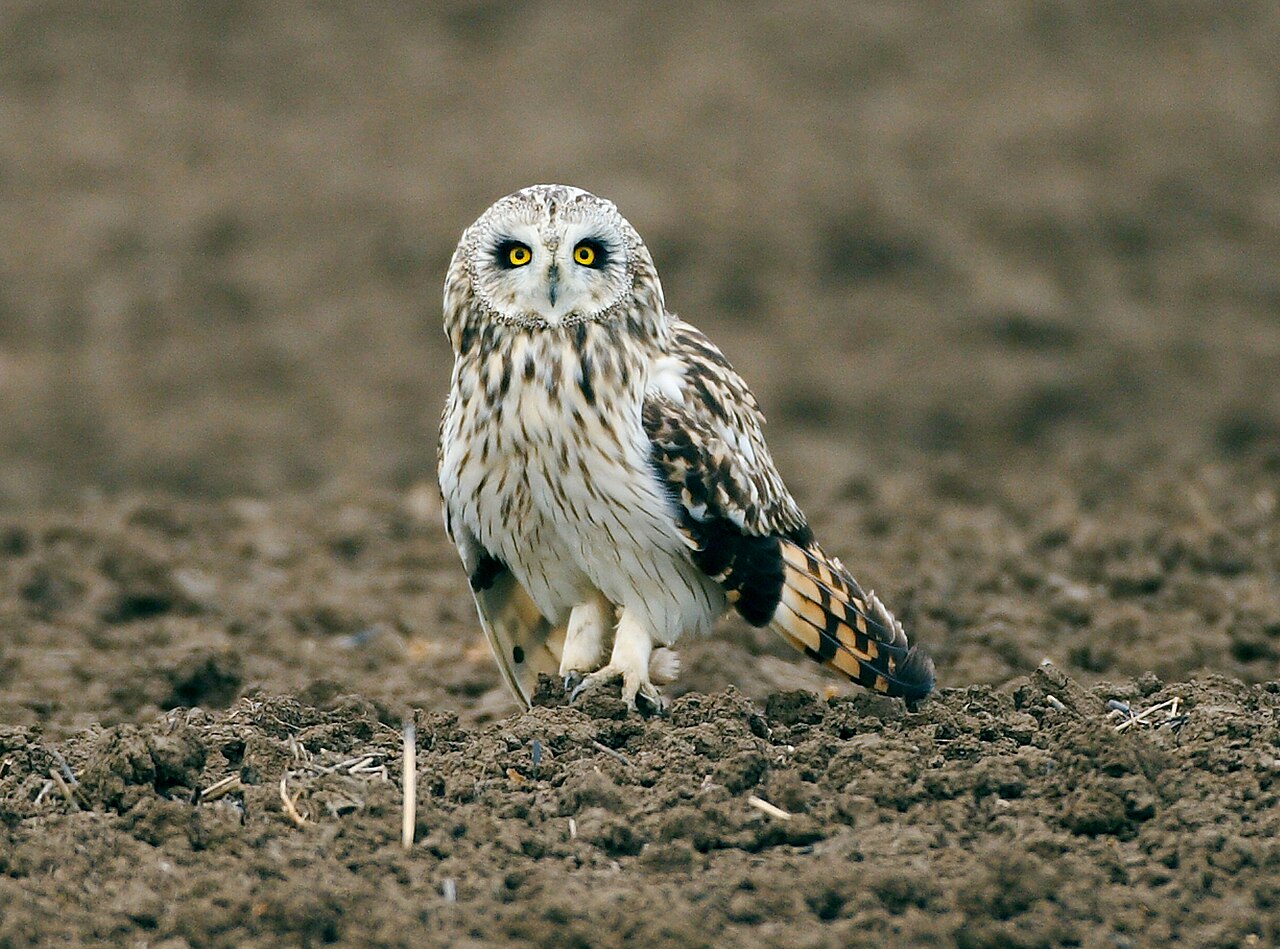
Photo: Short-eared owl — not this individual. Photo: Rodolphe (Wikimedia Commons user "Rodolphe"), CC BY-SA 3.0

The short-eared owl is the owl you can meet in broad daylight: a long-winged, mottled brown bird quartering low and systematically over open ground, or watching from a fence post with fierce yellow eyes set in dark feathering. The ear tufts it is named for show only when the bird chooses to raise them. It lives and dies by voles, and where the voles are is where it goes.

Data: BOP_RODENT rodent-specialised birds of prey in Flanders (Movebank study 1278021460, CC 0) via Movebank. Tracking identifier H215006.